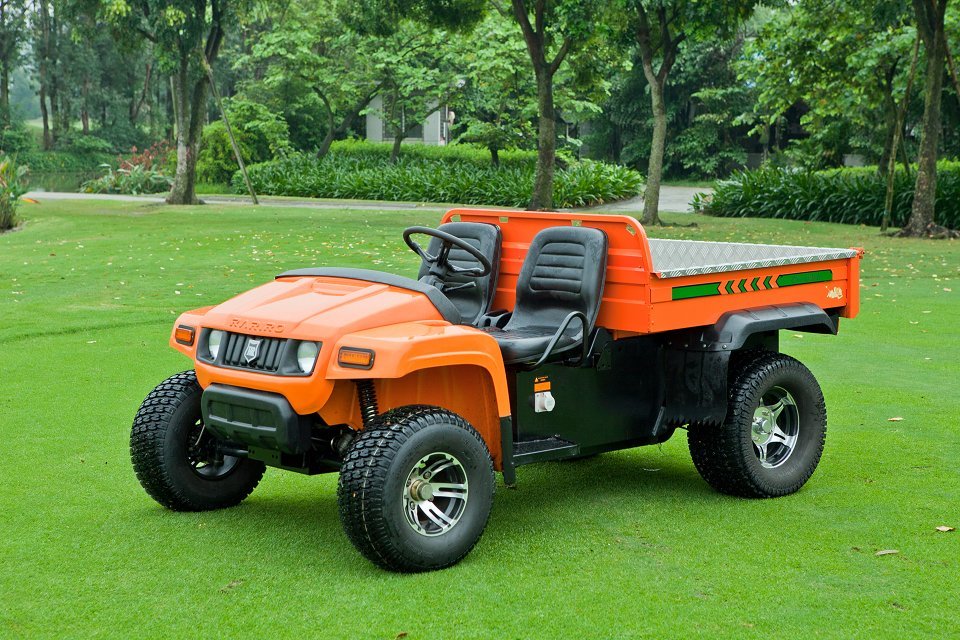
The arrival of spring means it’s time for action and excitement on your John Deere side by side. However, indeed, the same beautiful landscapes can swiftly become a messy swamp. When your usual John Deere side by side gives up in the mud and snow, it can be especially heartbreaking.
Off-road adventuring is exciting for everyone, while getting trapped is a source of frustration. Hence, we are offering this overall guide to assist you in defeating spring slush and keeping your John Deere side by side operating properly.
Why Your John Deere Side By Side Gets Stuck in Spring Slush?
We should get to know our enemy first: spring slush. The substance isn’t just simple mud. It’s made of melted snow, wet soil and many times concealed obstacles:
- Slippage is the major reason behind most accidents. Slush lessens the strength of your tires’ grip, which is still true for those built for off-road.
- Soft terrain can cause your Johnson Deere side by side to drop deeper because of its weight.
- Rocks, fallen branches and gentle dips are dangerous obstacles that you may not see in the snow.
Prevention is always better than a cure
- Before moving into any suspicious location, stop to check around you. When the mixture looks very thick and sticky, it is overdone.
- Pick a careful pace, and it may help you stay on track throughout the run. Too much speed may cause you to lose track of your driving and get stuck in a deeper state of impaired mindset.
- For your J0hne Deere side by side, you should refer to the owner’s manual to learn the best tire pressures. Decreasing the tire pressure a little can help your car in soft situations, though don’t let it go too low.
- When driving on slush often, opt for mud tires with deep, self-cleaning treads.
The Method: Unsticking Your John Deere Side By Side
So, you have reached a block in the process. Don’t panic! When you use the right approach and important tools, you won’t be off the road for long.
Examine the circumstances to identify any threats:
- At what issues are you running into? Does the entire suspension system have all its wheels buried, or are just one side’s wheels buried?
- What’s in the ground anywhere you are? Is the area covered in slush only, or is there a surface to walk on?
- Can I go out at night in safety? Look out for possible risks near you and take care.
- You can try the Rocking Method (Gentle Approach) as well.
- Step on the brakes in reverse and slowly apply gas. As soon as you shift forward, start making gas input.
- Do the rocking action again, gradually getting more power in the throttle as you try to get going.
- Be gentle! You will end up stuck deeper by over spinning your wheels.
- If possible, use a differential lock while driving on slippery surfaces.
The Powerhouse: Winch Operations
Having a winch on your John Deere ATV is great, as it will help you in any trouble at any time. Look for an anchor point that is both secure and stable, such as a strong tree or another vehicle. Wrap the tree with a tree saver strap to prevent it from getting damaged when you are moving items.
Take care to gradually unwind the winch cord so that it stays free from twists or knots. Don’t stand near the winch line during use, and always drape a heavy object like a blanket over the cable. If the top of the pole cracked and a current came through, the line would safely take in the energy. Pull the winch consistently, ensuring that there is regular tension as you slowly get your vehicle out.